


I have been fishing the waters of Puget Sound since before my father would let me hold a rod. I always wanted to be a fishing guide since we went fishing with a guide when I was a kid in British Columbia. Since 1992 I have been the only guide in the State of Washington that features both Saltwater Fly Fishing and Light Tackle “Mooching” (a bait fishing technique that was developed in Puget Sound in the 1930s). I love fishing for the largest population of wild trout in the US. The sea run cutthroat is the best fishery in Puget Sound and it is rare to see another angler fishing when we are fishing from the boat. When I have a day off from guiding I go fishing whether it is mooching for King Salmon, Fly Fishing for Sea Run Cutthroat trout in Puget Sound or Fly Fishing for Tarpon in the Florida Keys. It’s what I do. No, I don’t golf. – READ MORE
Category: Uncategorized
GUIDE PROFILE: FLY FISHING SEATTLE WITH KEITH ROBBINS

Keith Robbins is a guide on the world-famous waters of Puget Sound in Washington. A Sage Elite Pro, Robbins is also a pro for RIO Products, Simms, and Grady White Boats among others. Robbins recently took the time to interview with The Venturing Angler:
Why do you guide where you do?
Because it’s in my blood. I was born and raised fishing Puget Sound. I love being on the water and showing others a beautiful piece of the world.
What is your favorite fish species?
Salmon, sea run cutthroat trout, redfish, and tarpon

What is your favorite thing about guiding?
Showing others a wonderful place on the globe and introducing them to all of the Puget Sound species while being paid to do what I love most.
What is the most memorable trip you’ve guided and why?
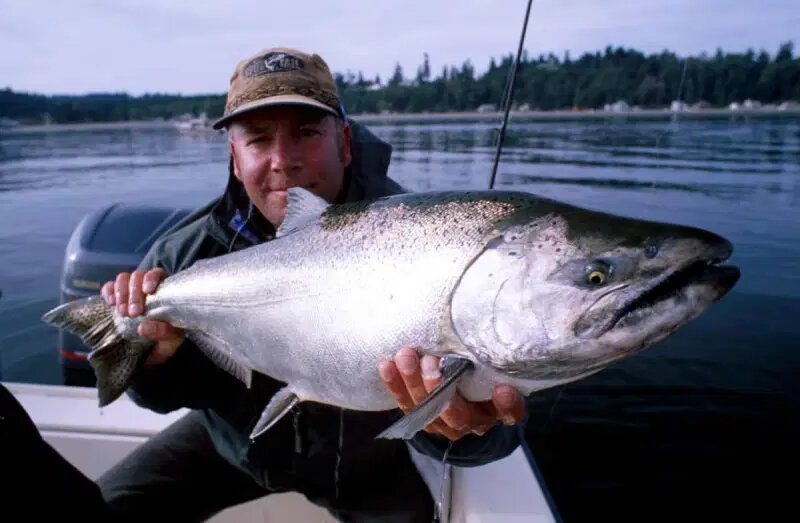
The most memorable was also the most embarrassing. While running in the super thick fog I ran aground with the Manager of The Seattle Mariners, Don Wakamatsu. While aground in the fog we decided to walk up the beach and fish while waiting for the tide to rise. While fishing from the beach Don hooked and landed the largest Chinook salmon on fly in Puget Sound and he made it back in time for the game.
What is the funniest thing you’ve experienced while guiding?
I once had a guest drop a rod overboard with a very large Salmon attached. Another guest reeled up only to find he caught the dropped rod’s line. He reeled it in and the salmon was still attached. That King salmon was the largest of the day!
What makes your guide service great?
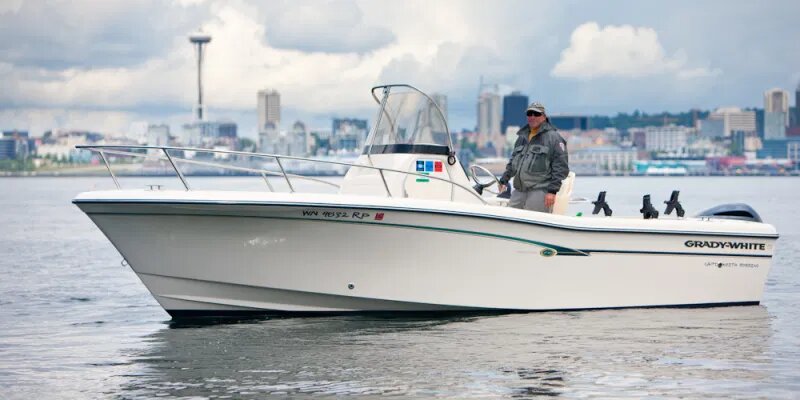
Using the best gear, fishing out of the best and most comfortable boat for fishing Puget Sound, and flexible start times upon request.
If you had only one day off all year, where would you fish and what fish would you target?
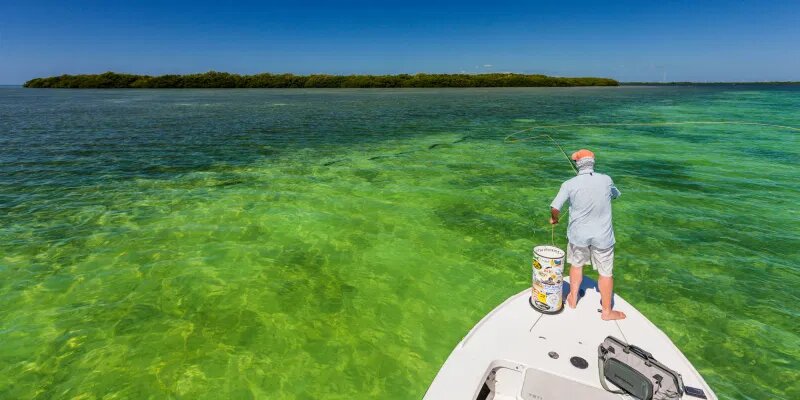
I would fish for tarpon in Cuba.
hat are your favorite three flies?
Clouser Minnow
Myawaki Popper
Deep Minnow
What is the one piece of gear you couldn’t bear to leave at home
My custom landing net.
Do you have any other passions?
Food, wine and fishing!
To check out more from Keith Robbins, please click here.
IT WAS A NASTY DAY – THE STORY OF A ROD, LOST AND FOUND

Check out this article written by Captain Keith Robbins & Ron Monaco on sageflyfish.com!
GET READY SEATTLE! CHINOOK (KING) SALMON HARVEST SEASON
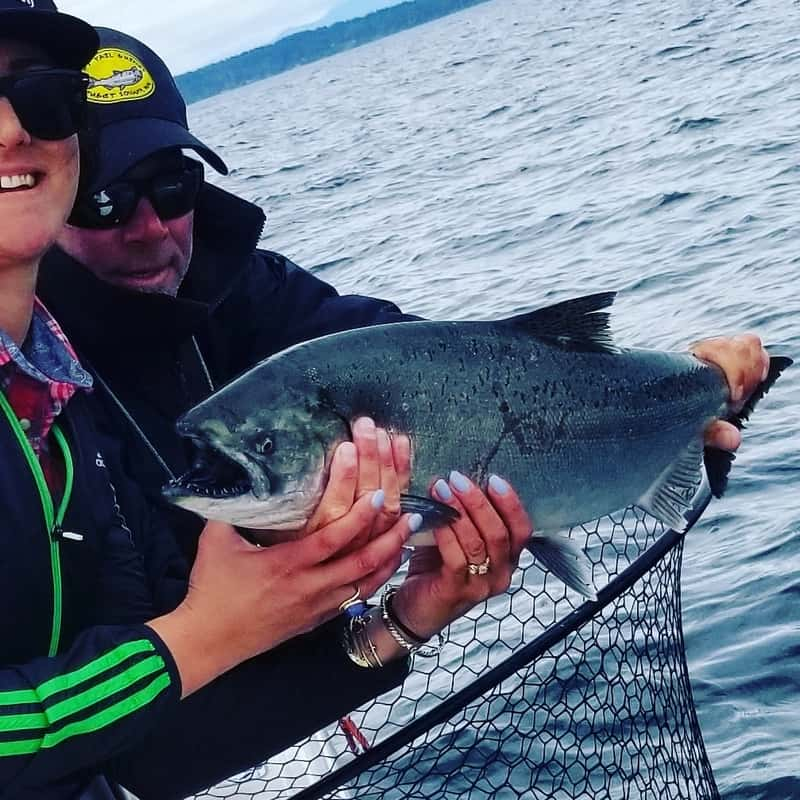
Ok get ready Seattle, Chinook (king) Salmon harvest season has just opened with a bang and there have been a great mix of 10-20 pound Hatchery Chinook (king) Salmon and a few into the mid twenties and still some resident Coho (silver) Salmon around as well. It is the most fun time of year if you want the opportunity to catch an adult migrating Chinook (king) salmon.
FROM SEA TO TABLE

5 PACIFIC NORTHWEST ANIMALS YOU MAY SEE ON OUR SIGHTSEEING TOURS
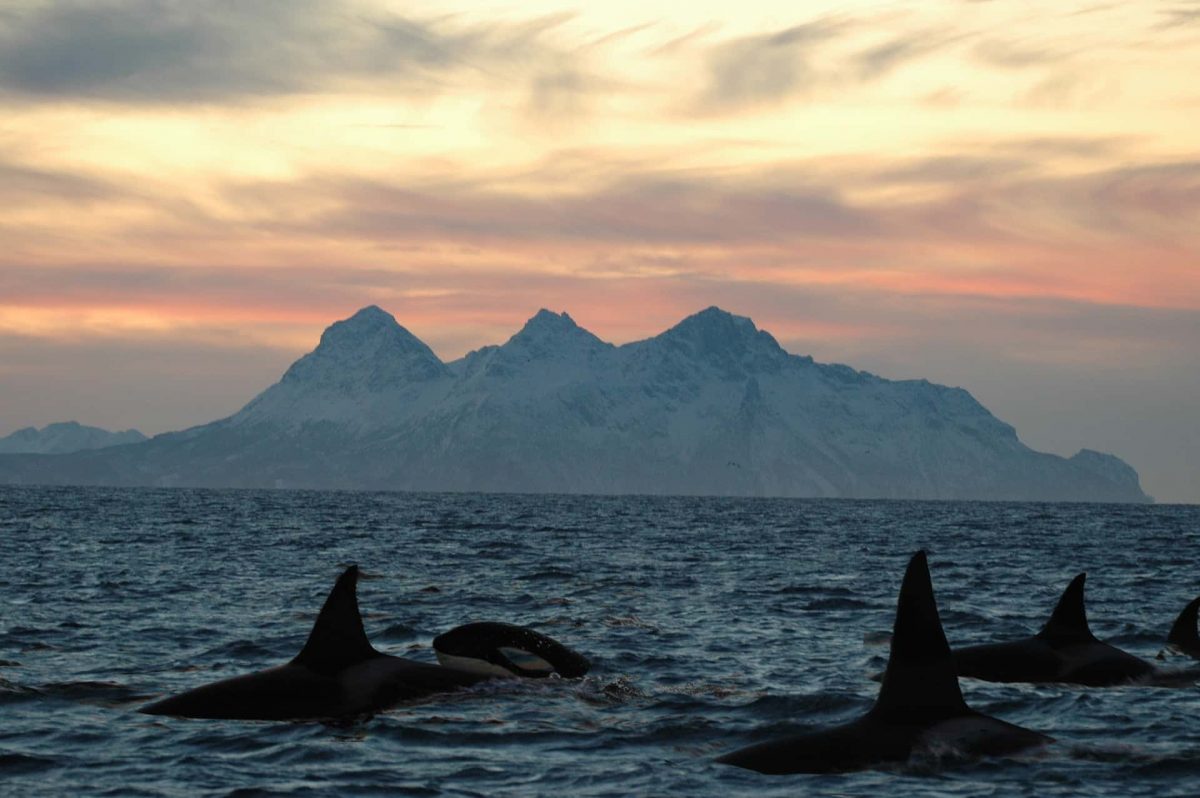
The Puget Sound is known for its salmon fishing, but it’s also a great place to simply go out on a boat and enjoy the sites. With towering buildings, active wildlife, and much more, this body of water truly has a lot to offer. From breaching whales to bald eagles, here are a few Pacific Northwest animals to keep an eye out for on our Puget Sound sightseeing tours.
BALD EAGLES
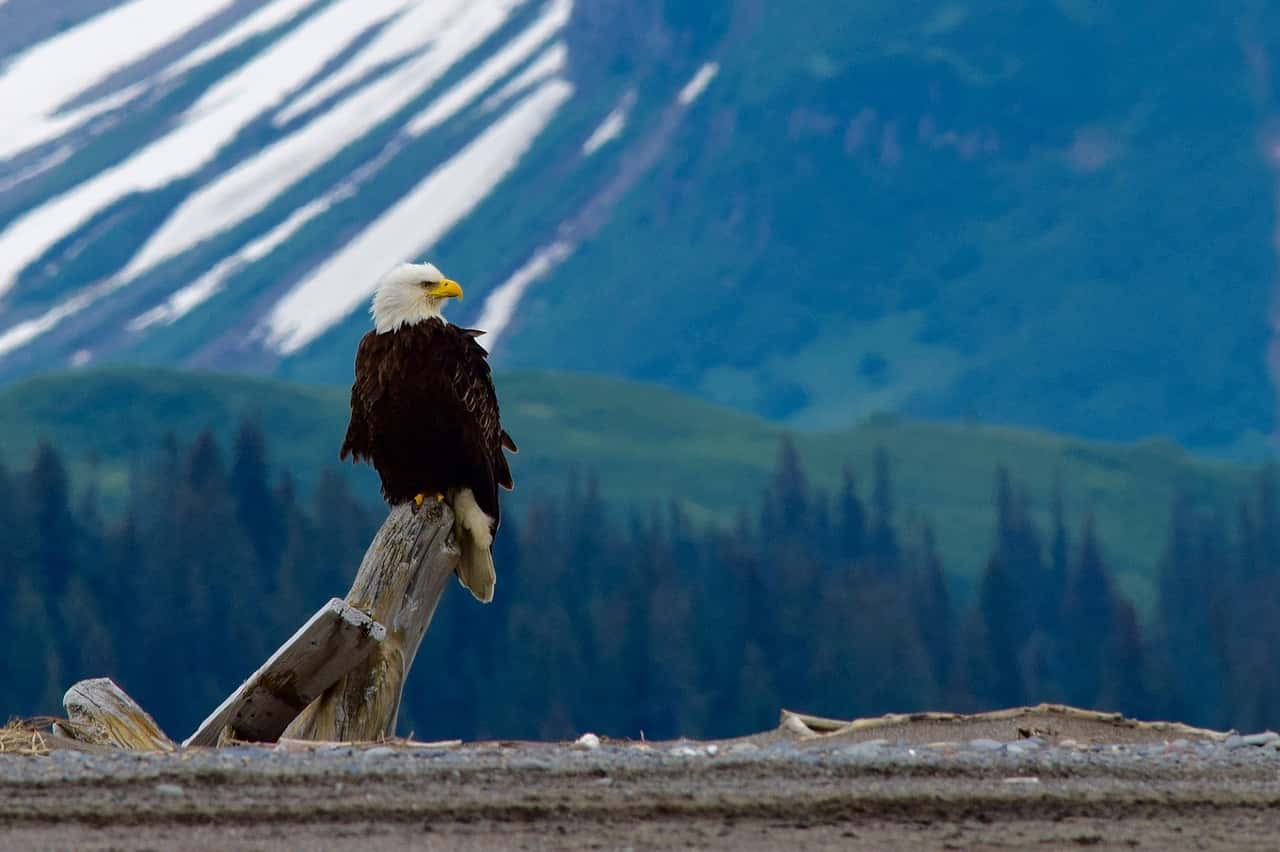
A once endangered species in the Pacific Northwest, Washington State’s bald eagle population is now thriving. In the late 1700’s, the bald eagle population in what is now Washington was estimated at around 9,000. In the 1950’s, however, these glorious birds were near extinct as a result of both DDT contamination and people who would hunt them because they incorrectly believed eagles were harming their livestock. These birds, however, have made a rapid comeback. While there were only 104 bald eagle pairs in the 1980’s, there are now over 840 breeding pairs in the state. In 2007, these birds were taken off the endangered species list, and they continue to thrive today.
ORCA WHALES
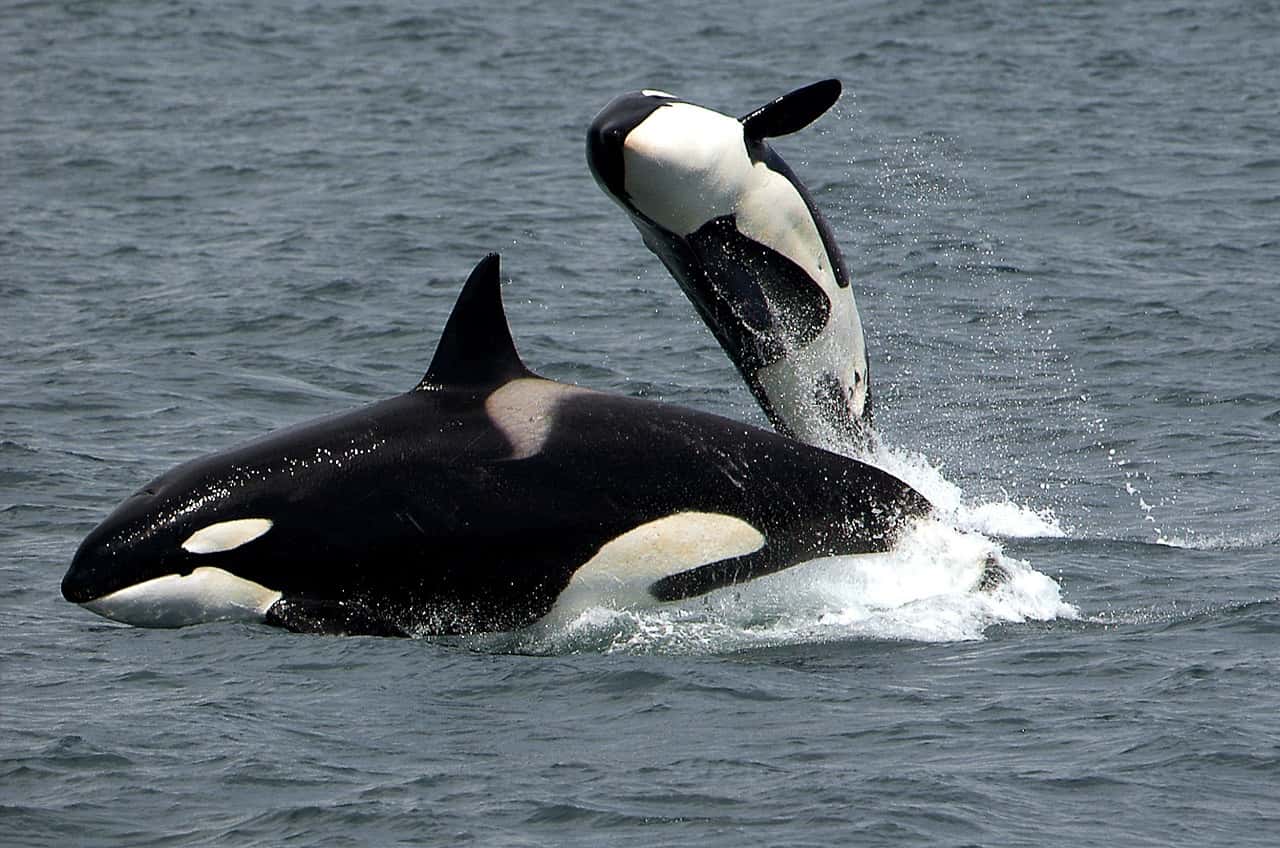
Orca whales are among the most widely distributed of whale and dolphin species in the world. Found in every ocean, there are believed to be more than ten different ecotypes of orca whales. From New Zealand to Alaska, these subspecies of orcas have similar appearance, but have not interacted with each other for thousands of years resulting in several significant differences between these distantly related whales. The populations of orcas native to the Pacific Northwest fall into three categories: Resident orcas who eat mainly salmon and large fish species, Biggs orcas, whose diet consists of larger mammals such as seals and small whales, and Offshore orcas, the smallest orca species in of the North Pacific.
HUMPBACK WHALES

Though only seen in the Pacific Northwest in the summertime, the occasional glimpse we get of humpback whales on our sightseeing tours is a real treat. These whales can be up to 52 feet long in size. All humpback whales have a unique tail, similar to human fingerprints. These incredible whales migrate up to 3,000 miles to warmer waters in the Hawaiian Islands, southern Japan, and Western Mexico in the winter to mate and calf, then return no colder waters in the north in the Summer.
CALIFORNIA AND STELLER SEA LIONS
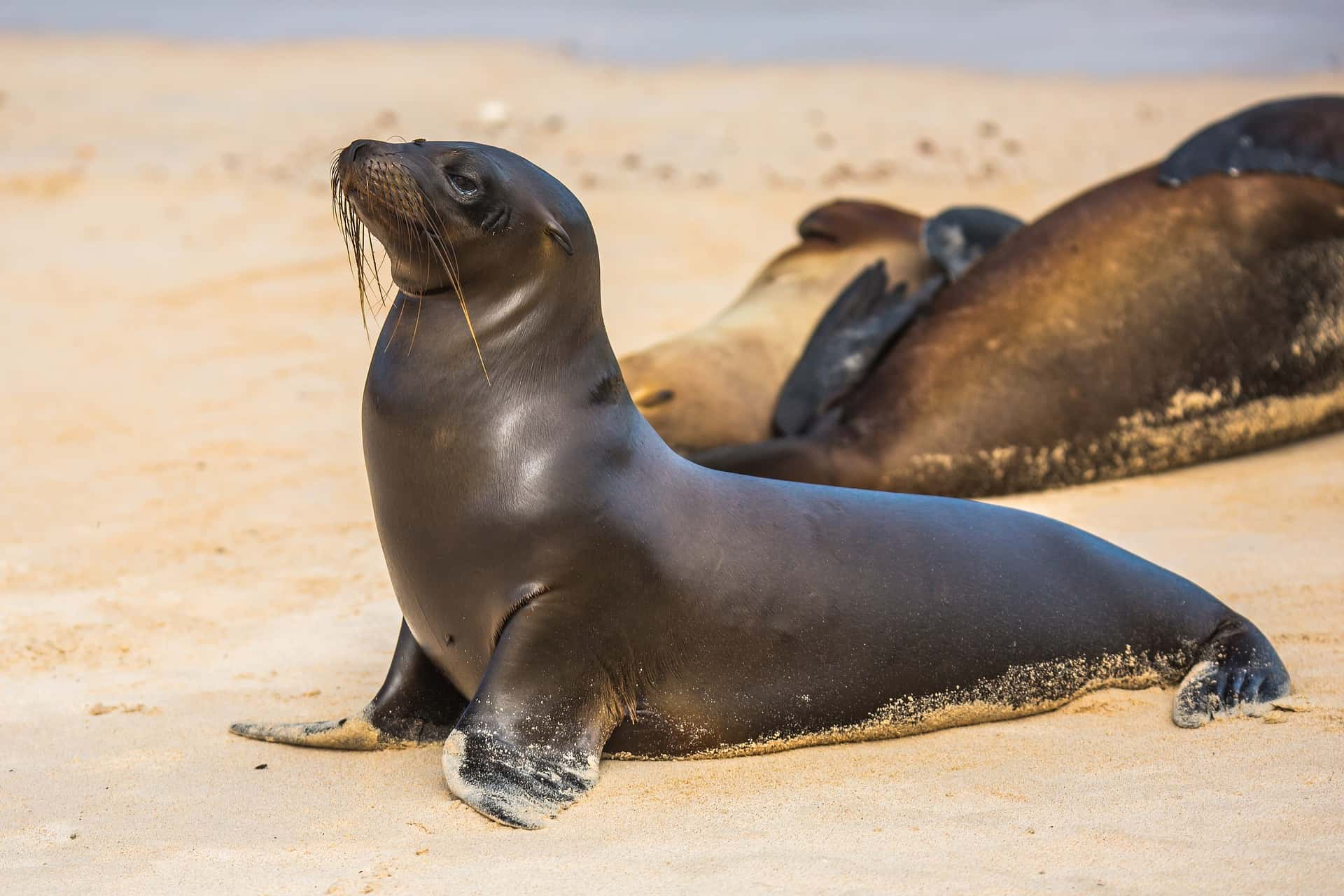
We typically see California Sea Lions and Steller Sea Lions on the Puget Sound. California Sea Lions have a dog-like bark and can weigh up to 800 pounds. Steller Sea Lions are lighter in color, and can grow even larger, up to 2,200 pounds, and are characterized by their deep, roar-like bark.
DALL’S AND HARBOR PORPOISES
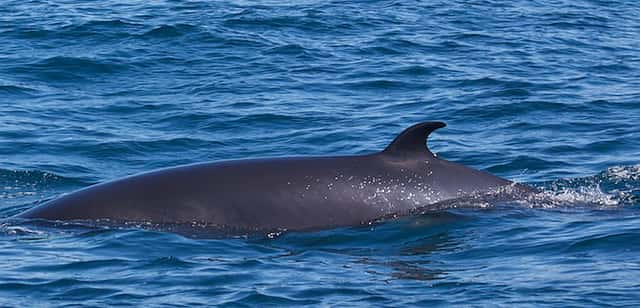
Dall’s Porpoises have distinct black and white coloring. These powerful porpoises are known for their speed, with the ability to swim up to 30 knots. Dall’s porpoises average about six feet in length and typically eat fish and squid. Harbor porpoises are typically about five feet in length and typically weigh about 121 pounds. These peaceful porpoises prefer shallow waters, and typically can be found within 500 feet of the water’s surface.
The Pacific Northwest is full of beautiful sites and creatures, and summer is the perfect time for sightseeing! To learn more about Spot Tail Salmon Guide or to book your trip, visit our website today.
Images courtesy of Pixabay.com.
4 OCCASIONS YOU SHOULD CELEBRATE ON A SEATTLE FISHING BOAT
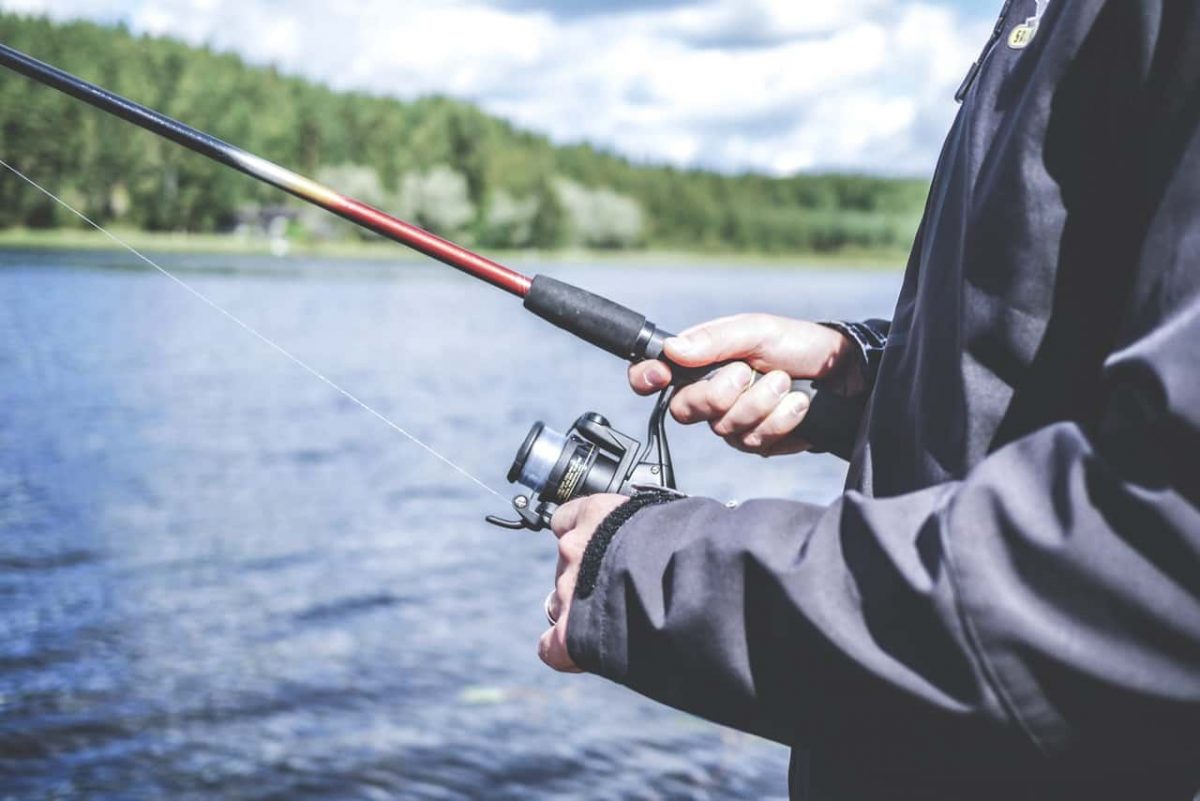
Summer is here, and that means warmer weather, longer days, and all the more reason to spend some time on a boat. Whether you’re commending dads, grads, or anyone else who has something to celebrate, a fishing trip might just be the gift they are hoping for. For veterans and rookies alike, here are a few occasions you should consider celebrating on a fishing boat this summer.
GRADUATIONS
For high school graduates en route to college, freshly matriculated undergraduates about to take on the real world, and professional degree recipients alike, most grads are in need of a break this time of year. For Seattleites and out-of-towners alike, a few hours catching fish or sightseeing is a great way to celebrate a job well done. Our sightseeing tours take place on private boats for groups of four to five, and salmon fishing tours can be in mixed groups or on private boats.
FATHER’S DAY
Whether you’re celebrating a relatively new dad or a soon to be grandpa, Father’s Day is your chance to show your dad how much you care. Great dads put their kids first, and this is one day of the year where you get to put the spotlight on them. Whether your father is an avid angler or you simply think he would enjoy a day sightseeing out on the Puget Sound, a fishing trip for Father’s Day is a gift dad won’t forget.
BACHELOR(ETTE) PARTIES
Some guys love going out to bars and celebrating their bachelor parties Vegas-style. Others prefer a more laid back ordeal with their groomsmen. A private fishing boat is a great way to celebrate a soon to be husband and the start of a new marriage. Mooching, saltwater fly fishing, and bottom fishing are all great ways to spend a day with the boys on the water. And if there are any lady anglers who want to bring their bridesmaids out fishing for a bachelorette party, we’d love to have you too!
BIRTHDAYS
If you’ve run out of birthday ideas for someone special in your life, a fishing trip might just be your solution. Birthday dinners happen every year, but a fun experience for the whole family is hard to forget. Whether you’re seeking a great family activity, a memorable guys weekend, or an activity you and your spouse can do together, a Summer fishing trip is a top notch way to celebrate any birthday.
For Father’s Day, birthdays, or any other occasion you might have coming up, why not spending it in the sun on the Puget Sound? To learn more about our trips or to plan your next celebration, visit our website today. We also have gift certificates available!
Featured image courtesy of Pexels.com
MEET THE 5 SALMON SPECIES YOU’LL FIND IN THE PUGET SOUND
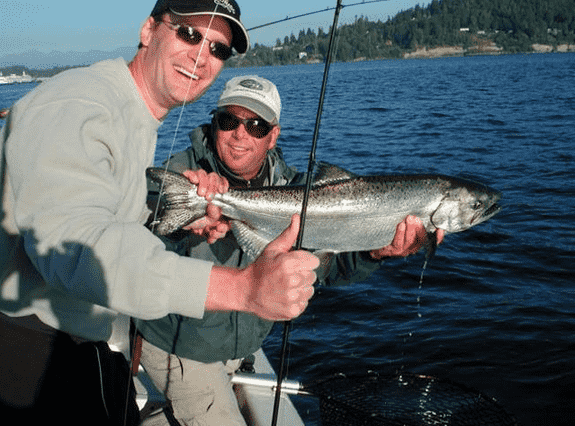
While some people are fish experts, others aren’t as well versed in fishing and the differences between each subspecies. Many people know there are salmon in the Puget Sound, but less people known how to tell whether the salmon you caught is a Chum, Chinook, or Sockeye. Whether you’re an expert fisherman or casting a rod for the first time, here are the five different types of salmon you may find while fishing on the Puget Sound.
CHINOOK
Chinook salmon, also known as King salmon are typically a dark silver color with blue or green accents. Their typical weight range is between five and 30 pounds, but they’ve been recorded to way up to 120 pounds. These fish are known for their large size and are the largest salmon species. They are considered to be mature when they are three,four or five years old . Adult Chinooks migrate from the ocean up into streams to spawn, do this ritual once in their lives, and then die. They are most commonly found in Washington, Oregon, Alaska, Idaho, Northern California, and Western Canada.
CHUM
Chum salmon, sometimes known as Dog salmon are among the most abundant species in Washington. Chum are characterized by their black and silver coloring and smaller size, typically between eight and 15 pounds. Though sometimes this species of salmon gets a bad reputation for its thicker texture, there are many great recipes for chum salmon and it’s always a good choice for smoked salmon.
COHO
Coho or Silver salmon have similar coloring to Chinook salmon , but are smaller in size with an average mature weight around six to fifteen pounds . You can also tell the difference between the two by their jaw characteristics, as Coho salmon have lighter coloring around their jawline. These salmon are also common in the Puget Sound.
PINK
Pink or Humpy salmon are smaller than their cousins, typically weighing under five pounds and measuring under two feet in length.They are only in Puget Sound every other year during odd numbered years. These fish are silver without dark markings other salmon species are known for, although their coloring typically becomes darker during spawning season. They are also known as Humpy salmon, because male salmon develop a hump on their backs when they reach the area where they will spawn. A typical female Pink salmon will lay between 1,200 and 1,900 eggs in her lifetime.
SOCKEYE
Sockeye salmon, also called Red salmon and Blueback salmon typically have dark blue backs with silver sides and turn bright red while they are spawning. These salmon can be nearly three feet long and typically weigh about eight pounds and are plentiful but very difficult to catch with a rod and reel in the saltwater. This type of salmon is found throughout the Pacific Northwest, Russia, and East Asia.
Whether you’re an experienced fisherman or new to the sport, the Puget Sound has a lot to offer when it comes to salmon fishing. If you’re interested in a Pacific Northwest fishing trip or want to learn more about salmon in this area, visit our website today!
Featured image courtesy of Pixabay.com.
OUT OF IDEAS FOR VALENTINE’S DAY? THIS YEAR, SPEND IT ON THE PUGET SOUND
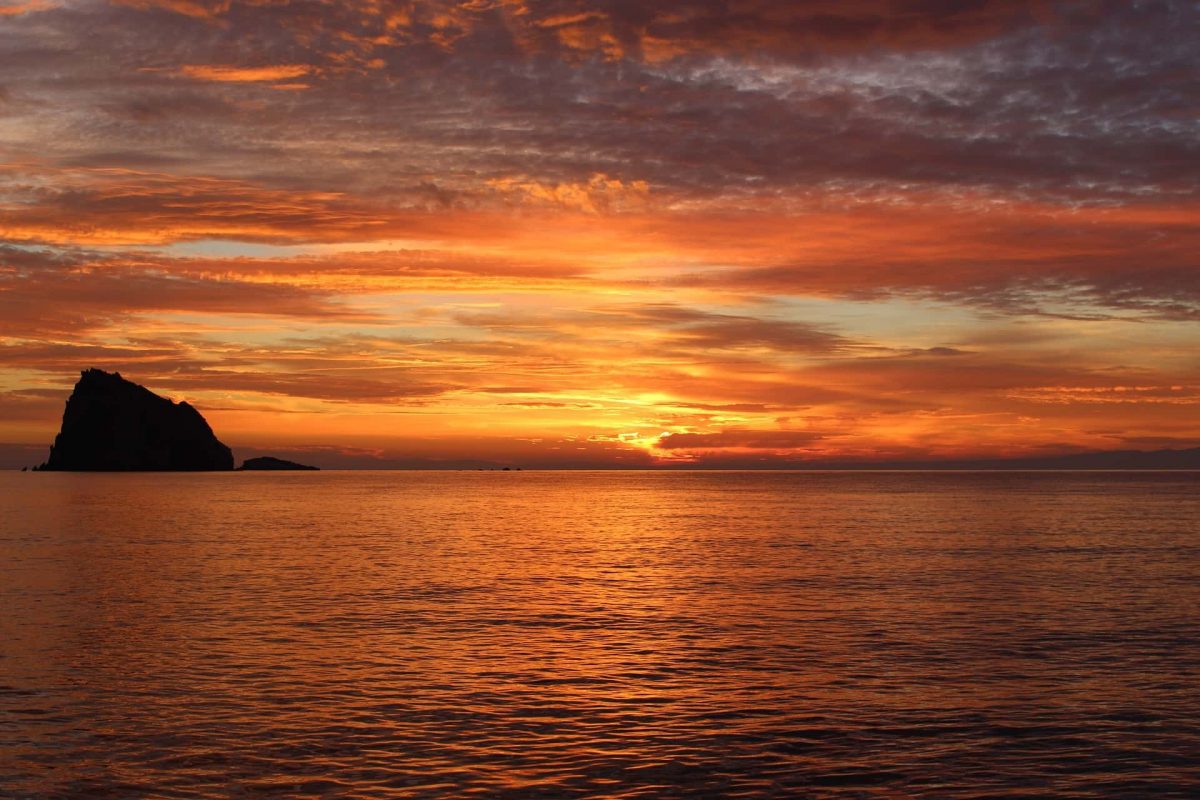
Its February, and Valentine’s Day is right around the corner. Some couples go for the typical romantic candle light dinner. Some they send their lady flowers or give their man a heartfelt card. Instead of sticking to the usual routine, this might be the year to think outside the box for Valentine’s Day: consider a fun interactive date of being on the sound, catching a dinner you can cook and eat, or just spending a day enjoying the views of Washington. When the two of you catch your first fish or see whales breaching in the wild, it will be a Valentine’s Day you won’t forget.
FOR NEW VIEWS OF THE CITY YOU LOVE: PUGET SOUND SIGHTSEEING TRIPS
Whether you’re new to the area or you’ve lived in Seattle for your whole life, this city has a lot to offer. The days are starting to get warmer and longer, so why not take a weekend staycation and see what your city has to offer by sea? Our sightseeing tours start with insiders views of the city and skyline and then head north towards Mount Baker, the San Juan Islands, and Deception Pass. Our guests often see orca whales, eagles, seals, and other wildlife native to the Puget Sound Area. These tours are great for couples, and small groups alike. For any size group, we’ll charter you a private boat. This is a great option for group dates, boys trips, and single ladies weekends alike.
FOR A NEW EXPERIENCE TO LEARN TOGETHER: CAST A LINE AND CATCH A FISH
It’s never too late to learn a new skill, so why not learn to fish with your significant other? Captain Keith and his team are experts at saltwater fly fishing and mooching, and they’re happy to have you aboard whether you’ve never held a fishing rod, fished a few times, or are a seasoned expert. It’s hard to beat the views from the Puget Sound, and hopefully the fish cooperate too! These trips are great for couples and small groups alike. Only certain areas of the Puget Sound are available for salmon fishing, so if you’d like to take a trip later on in the season we also have gift card options.
FOR THE EXPERIENCED FISHERMAN YOU LOVE: SALTWATER FLY FISHING
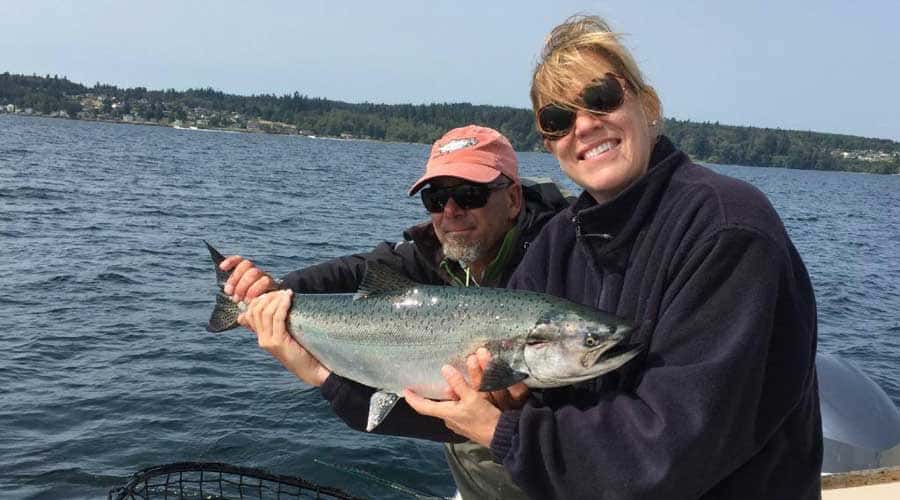
If your significant other likes to fly fish, a saltwater fly fishing trip would probably be a great gift this Valentine’s Day. Saltwater fly fishing is just like freshwater fly fishing, but with us you’ll get to cast your line in some of the best locations on the Puget Sound. We target several different species of salmon including Sea Run Cutthroat Trout, Dolly Vardon, Steelhead and more depending on the season. Our team knows this area backwards and forwards which means we know the best places to catch fish at any time of the year.
For couples of all kinds, making your significant other happy on Valentine’s Day can be a stressful. This year, instead of worrying about black ties and dinner reservations, consider a fun, interactive date on the Puget Sound you’ll both remember for years to come. Whether you want to take the trip now or get a gift card for this summer, our team is here to help. From fishing trips, to sightseeing adventures, we’d love to have you aboard. To find out more or to plan your trip with us, visit our website today!
Featured image courtesy of Pixabay.com.
BEGINNER’S GUIDE TO SALTWATER FLY FISHING
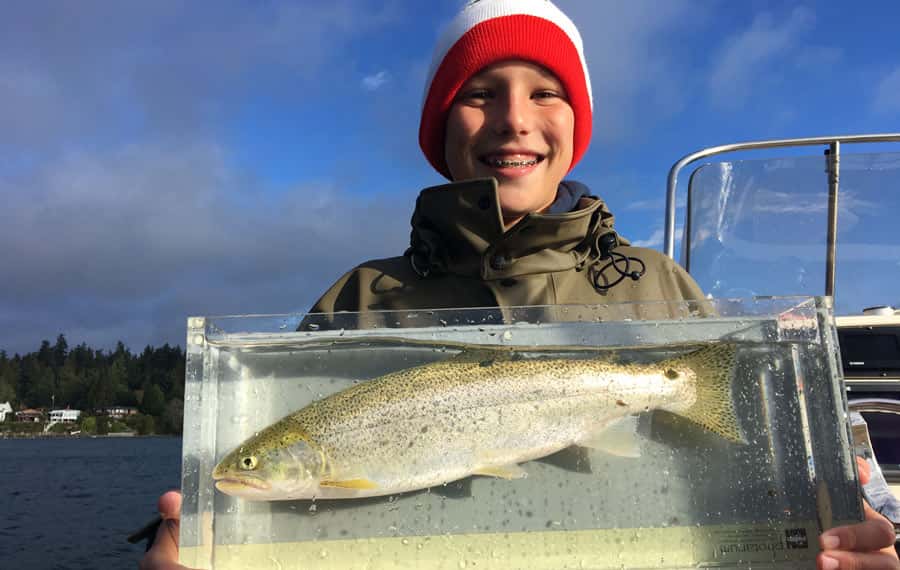
When most people imagine fly fishing, they probably picture a person in waders in a river or stream, placidly flicking their line back and forth. However, fly fishing isn’t limited to moving bodies of fresh water; many have already discovered the joys of saltwater fly fishing. It is similar to freshwater fly fishing, but the prey can be bigger and the result more rewarding.
What Is Fly Fishing?
Fly fishing is different than standard fishing because of the amount of motion it involves. Typically, when people are fishing, they cast their line once in a while and then let it sit, hoping their lure, whether a synthetic lure or a worm, insect, or small fish, will attract a large fish with an appetite. In fly fishing, a synthetic lure, called a fly, is cast far from the fisher and then allowed to float, sink, or be slowly drawn back in toward the fisher, depending on the water type, fish type, and style preferred by the individual fishing. It can be more physical than traditional fishing, but also very rewarding.
Fly Fishing Requires Certain Gear
A standard fishing pole with a rigid back and covered reel generally won’t work for fly fishing, though those who are experts at the fly fishing process may be able to adapt their skills to this kind of equipment. What fly fishers need is a fly rod. These come in various weights and strengths, depending on the kind of fish you’re after. Generally, unless you’re after trophy fish, a 9-weight rod will be strong enough to reel in what you’re out there catching. You also need a higher-quality reel.
Should You Buy a Full Flex or Tip Stiff Rod?
You’ll need to decide what kind of rod to purchase: one that is stiffer or one that has more flexibility. Most of the time, those learning to fly fish start out with a full flex rod, as tip stiff rods can require more finesse than the average beginner possess. The trade off is that stiff tip rods can help ensure better casting when working with a heavier lure or a long cast. Full flex rods are generally preferable for lighter lines and shorter casts. If you have a friend or family member who fly fishes, you may want to try each style before you commit to one or the other via a purchase.
The Importance of the Reel
The reel helps you bring the lure back in, and its strength is critical to actually landing a fish once you’ve gotten them to bite. There are center drag reels and offset drags. The center drags offer somewhat better performance, but they come at a much higher price tag. Offset drag reels don’t have quite as much power as the center drag version, so you may have to manually slow the feed when fighting a big fish. At the end of the day, what matters most is that the reel matches and fits your rod and you feel comfortable handling it while you’re out on the water.
How to Save on Fly Fishing Equipment
Rods, reels, and the various accessories for fly fishing can quickly become prohibitively expensive. There’s a lot of up front investment to get started in fly fishing, a fact which can turn a lot of potential fly fishers off to the whole concept. A great way to save money on your rod and reel are to check local and big box fishing and sporting goods stores for clearance and end of season deals. If that doesn’t yield the results you need, consider searching on eBay. With diligence, a fly fisher can find quality used reels and rods at a reasonable price (just watch out for shipping). There’s also Craigslist for local resale possibilities.
Tying or Buying Your Lures?
Unless you learned how to tie a lure from a family member or friend with a skill for it, chances are that beginners will fare better by purchasing your fly or lure at first. There are a number of options, in terms of color, shape, and weight that must be considered. Spend some time looking up what more experienced fly fisher recommend for attracting the fish you’re going out after. While you’re at it, don’t forget to invest in high-quality line with high strength rating. You want a line that can endure fifteen to twenty pounds of pressure to ensure you can land even the biggest of fish.
Practice Your Casting!
The importance of practicing your casting can’t be overstated. The way you cast, and the power behind it, can make all the difference in the world when it comes to successfully tempting those fish to bite. Work with an experienced family member or friend to learn the motion, or consider hiring a professional who can offer you instruction in form and finesse. As a last resort, there are plenty of beginner’s DVDs available, and even instructional videos on YouTube that can help you get the hang of it! Stick with it for a day or two, and you should be ready to hit the water!
Featured photo source: Pixabay.com